
Catedral de la Inmaculada Concepción de Celaya
Historical, architectural, and religious symbol of the heart of the city.
T The history of the Cathedral of the Immaculate Conception is closely tied to the origins of Celaya. The settlement of Our Lady of the Conception of Zalaya was founded in 1571, and a few years later, in 1573, Viceroy Martín Enríquez de Almanza authorized the Franciscan Order to establish a monastery dedicated to the Conception of Our Lady.
In 1580, the church became the seat of the Celaya parish, and over the following centuries, it played a key role in the religious and social life of the city. In 1767, after the secularization of the parishes, the parish church moved into the old Franciscan chapel of the Cordón.
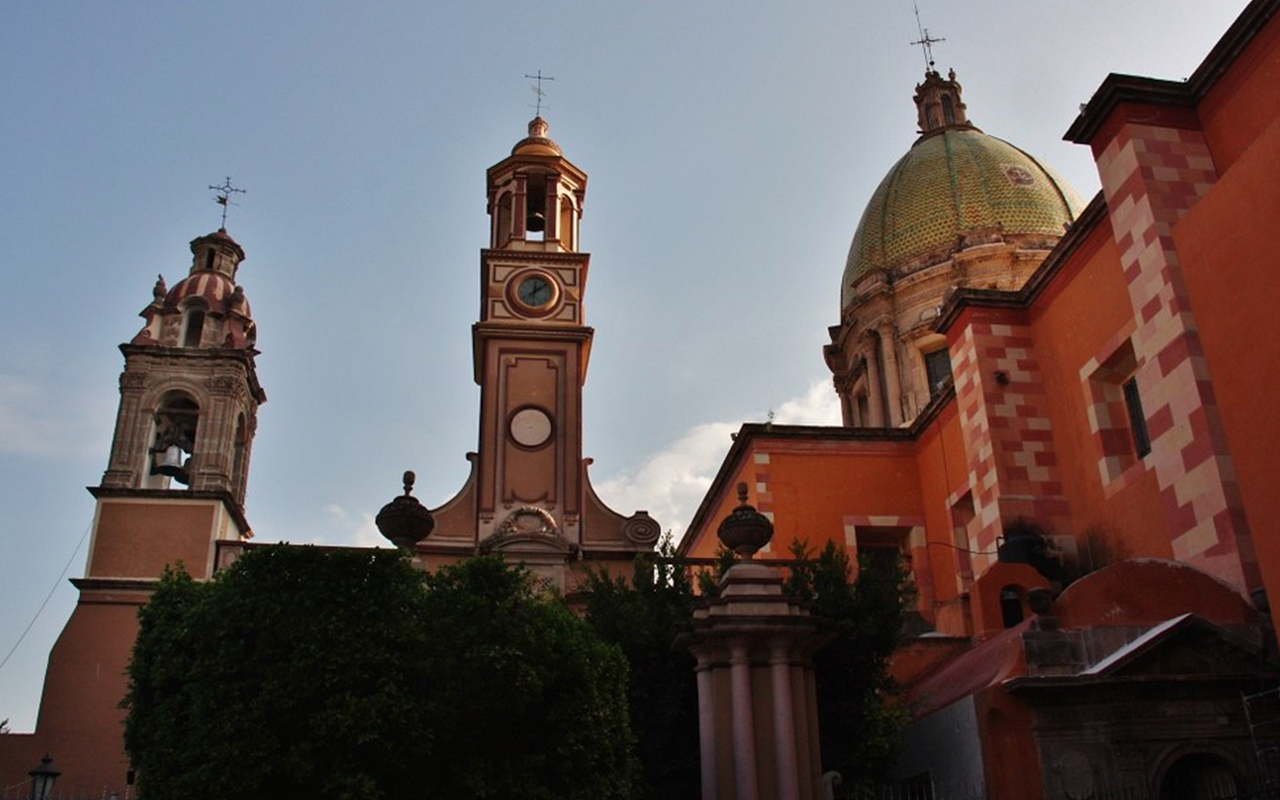
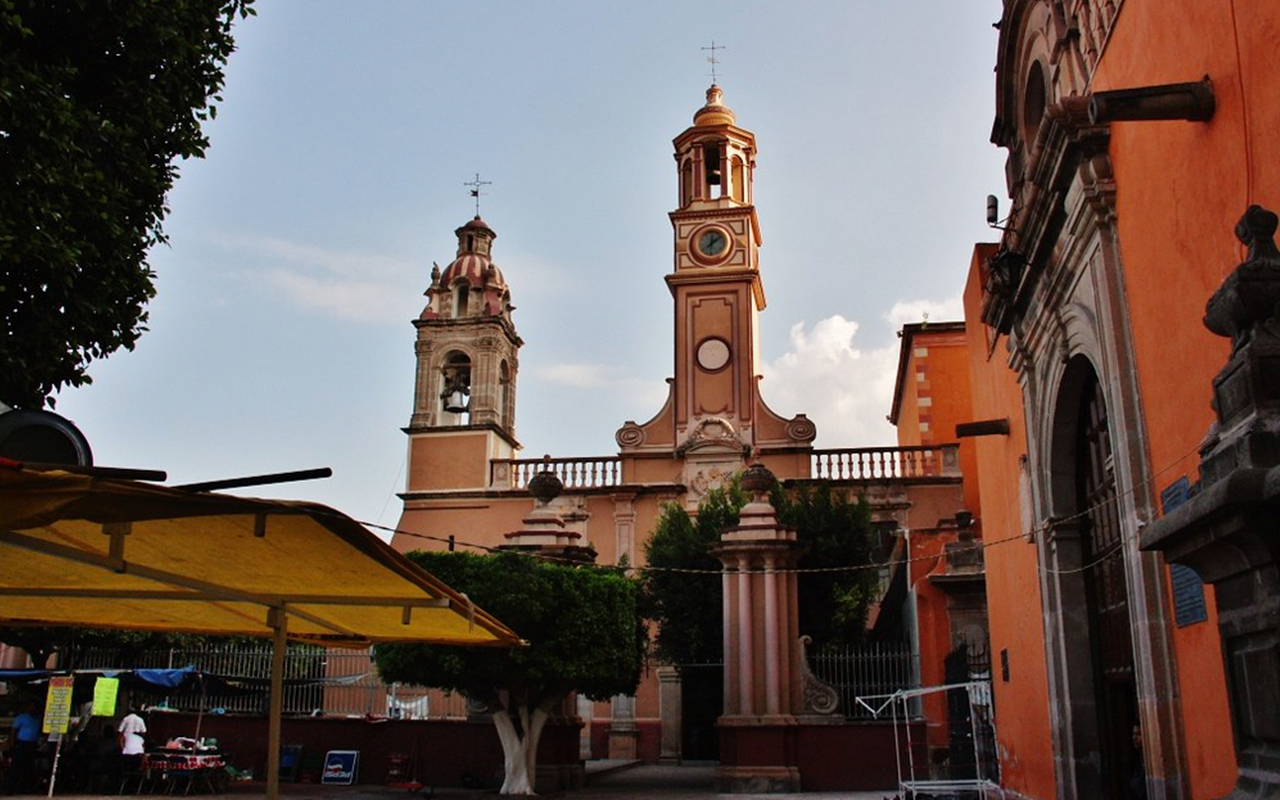
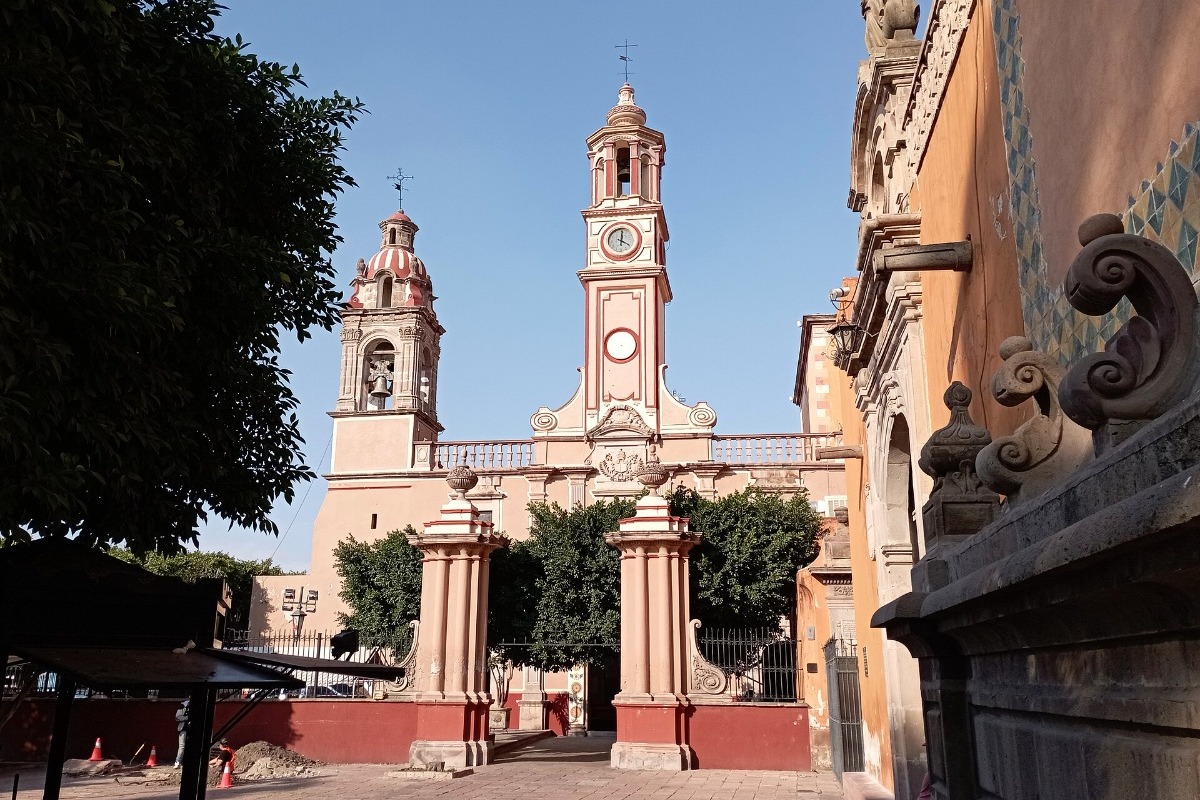
Important elements from that period have been preserved, such as part of the interior structure and the tower located on the west corner. During the 19th century, the complex acquired much of the appearance that distinguishes it today, with the addition of carved stone altars, the main façade, the central tower, the wall, and the entrances to the atrium, works that also reflect the architectural influence of Francisco Eduardo Tresguerras.
With the growth and importance of Celaya, its main temple gained increasing relevance. Finally, in 1974, Pope Paulo VI established the Diocese of Celaya, and the old parish church was given the status of cathedral, solidifying its position as one of the main religious and historical landmarks of the municipality.
The cathedral complex is part of the large Franciscan compound, located a block from Celaya’s main square, featuring elements of classical inspiration and neoclassical traits.
Its main features include:
- Three-nave basilica layout.
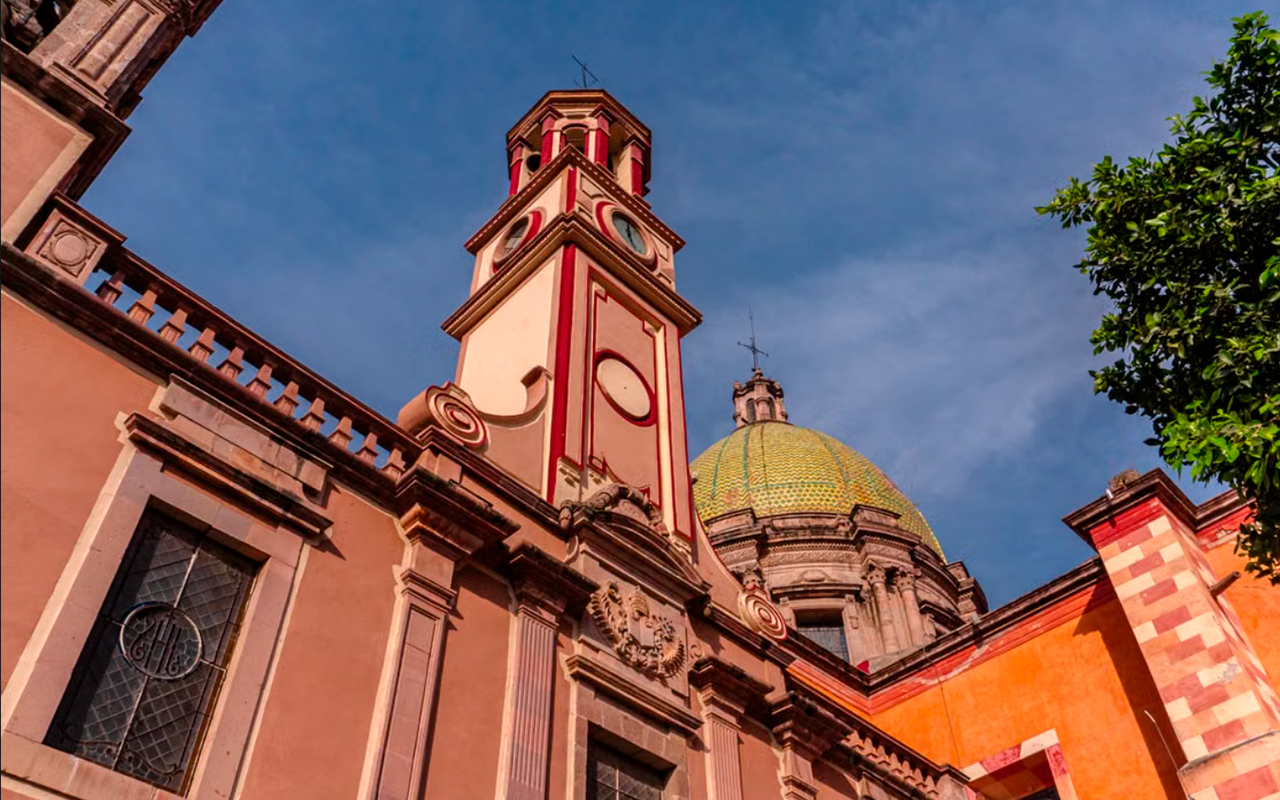
- Dome on an octagonal drum.
- Main facade with a classical composition.
- Central tower with three sections and a spire.
- Old Franciscan tower on the southwest corner.
- Altars and decorative elements made of carved stone.
- Balustrades, curved pediment, and decorative details with classical inspiration.
- Built using carved stone, plastered masonry, and decorative stone elements.