
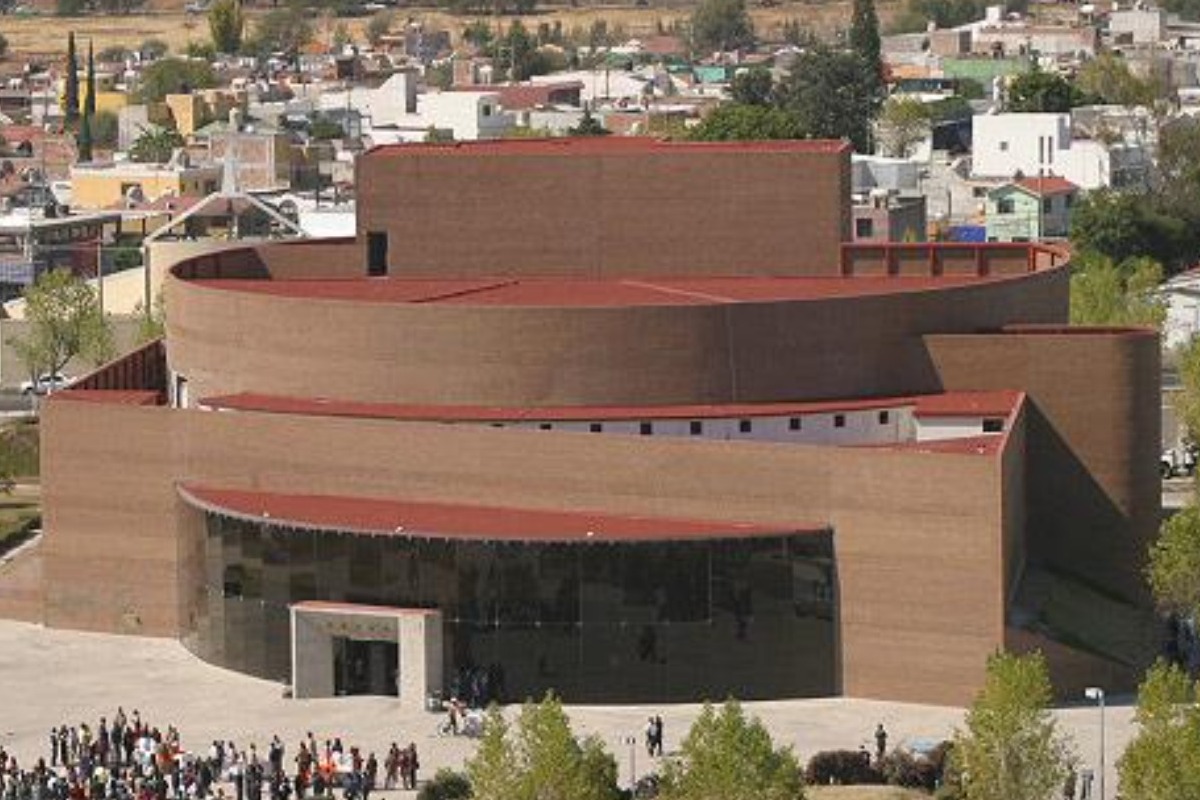
Auditorio Municipal Francisco Eduardo Tresguerras
A setting where architecture and art meet.
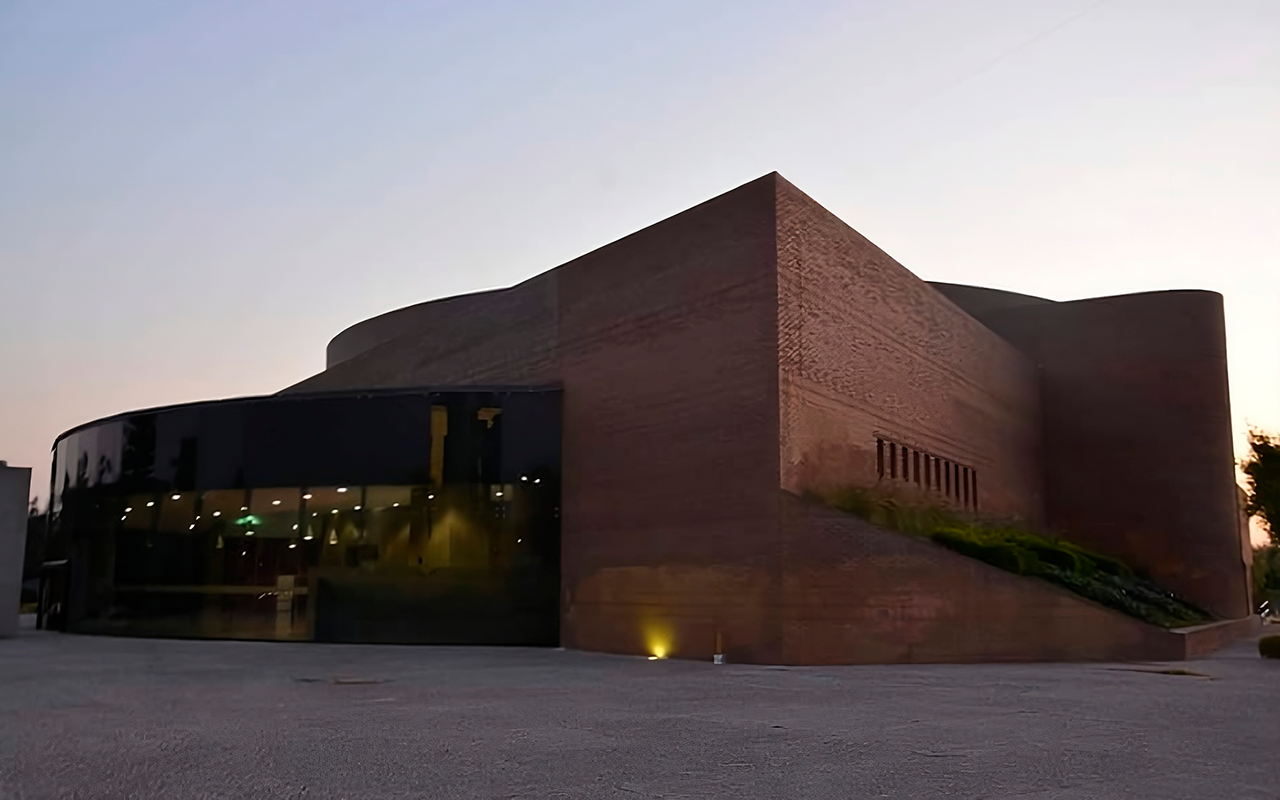
T The Francisco Eduardo Tresguerras Auditorium is a monumental work designed and built by Abraham Zabludovsky, a Mexican architect whose professional work in Mexico and abroad is highly recognized for its aesthetic and functional proposals, especially his bank buildings and cultural centers.
Founded on October 28, 1990, it was conceived as a multifunctional space to host shows and cultural activities with large audiences. Throughout its history, it has hosted theater, dance, music, conferences, congresses, and various performances.
While much of the Historic Center is marked by colonial and 19th-century buildings, the Tresguerras Auditorium belongs to contemporary Mexican architecture.
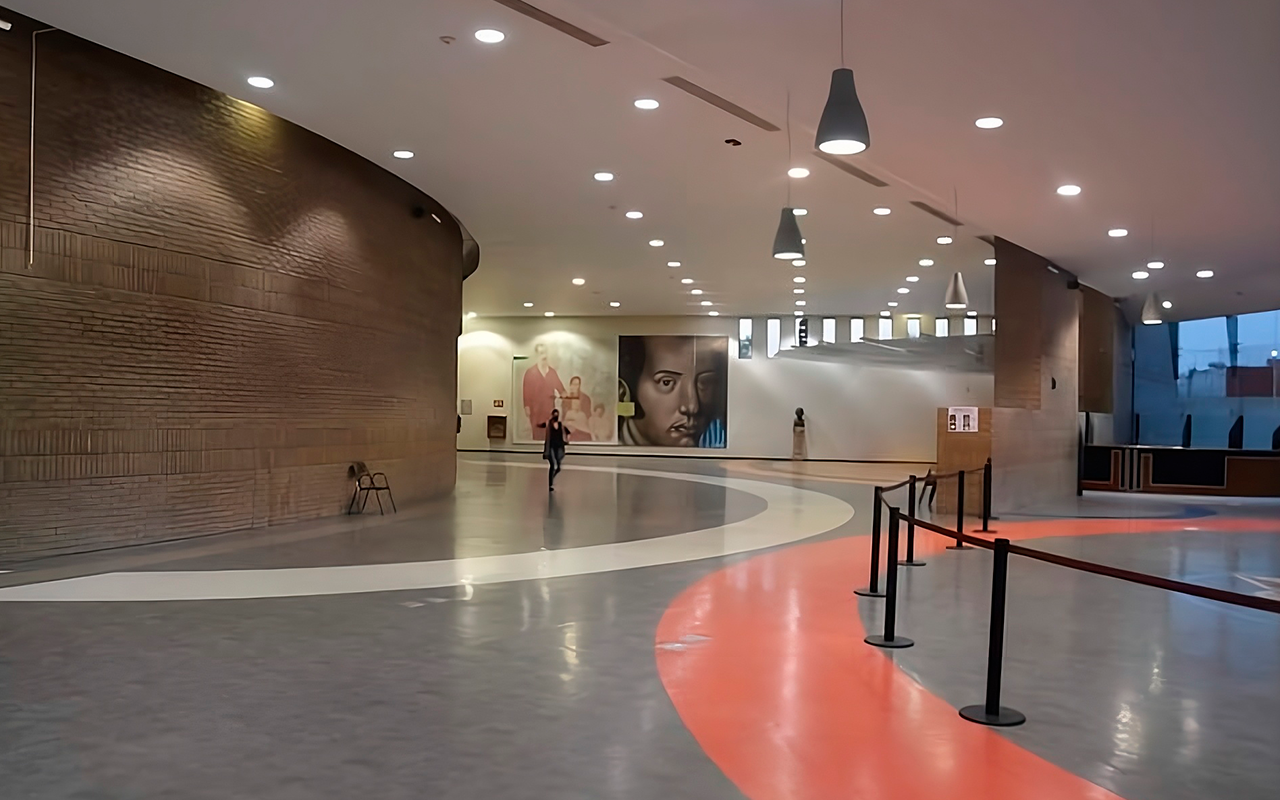
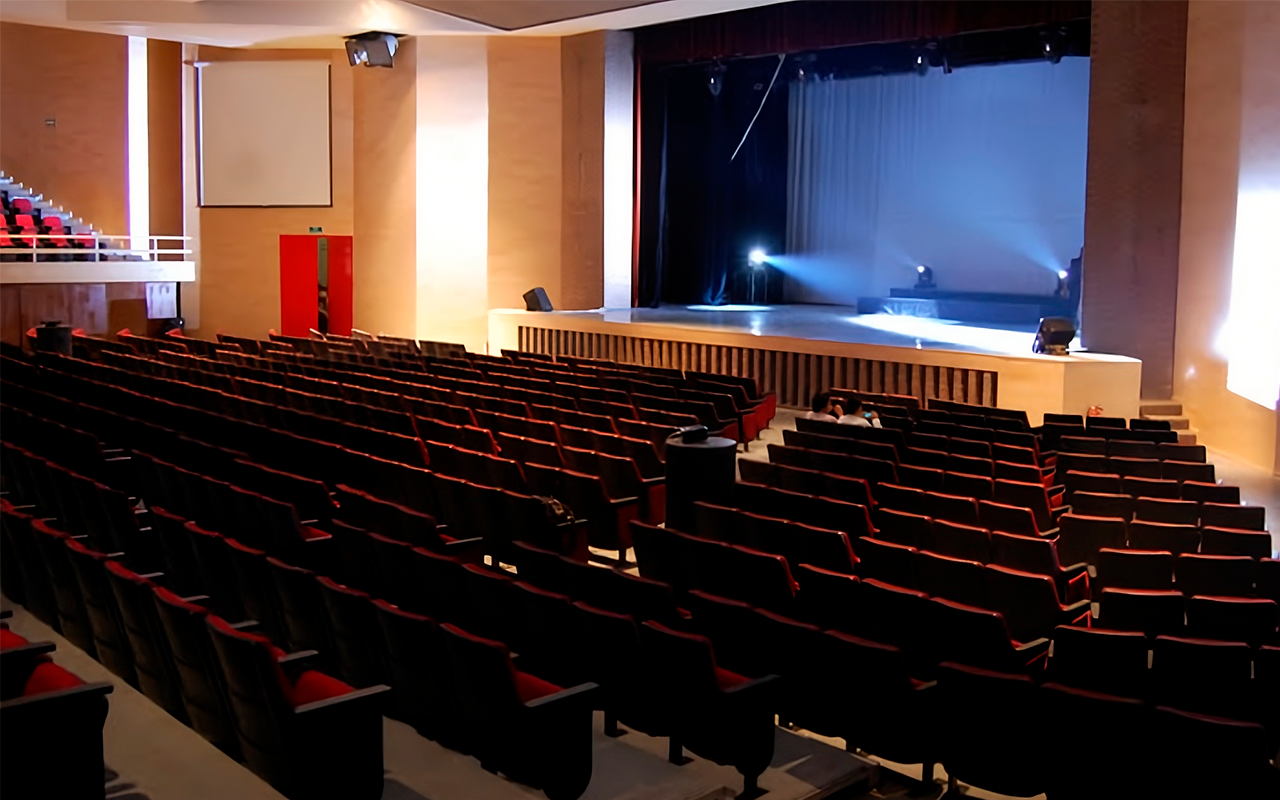
Its design was developed with the needs of a large performance venue in mind, with spaces intended both for the audience and for the production and presentation of shows.
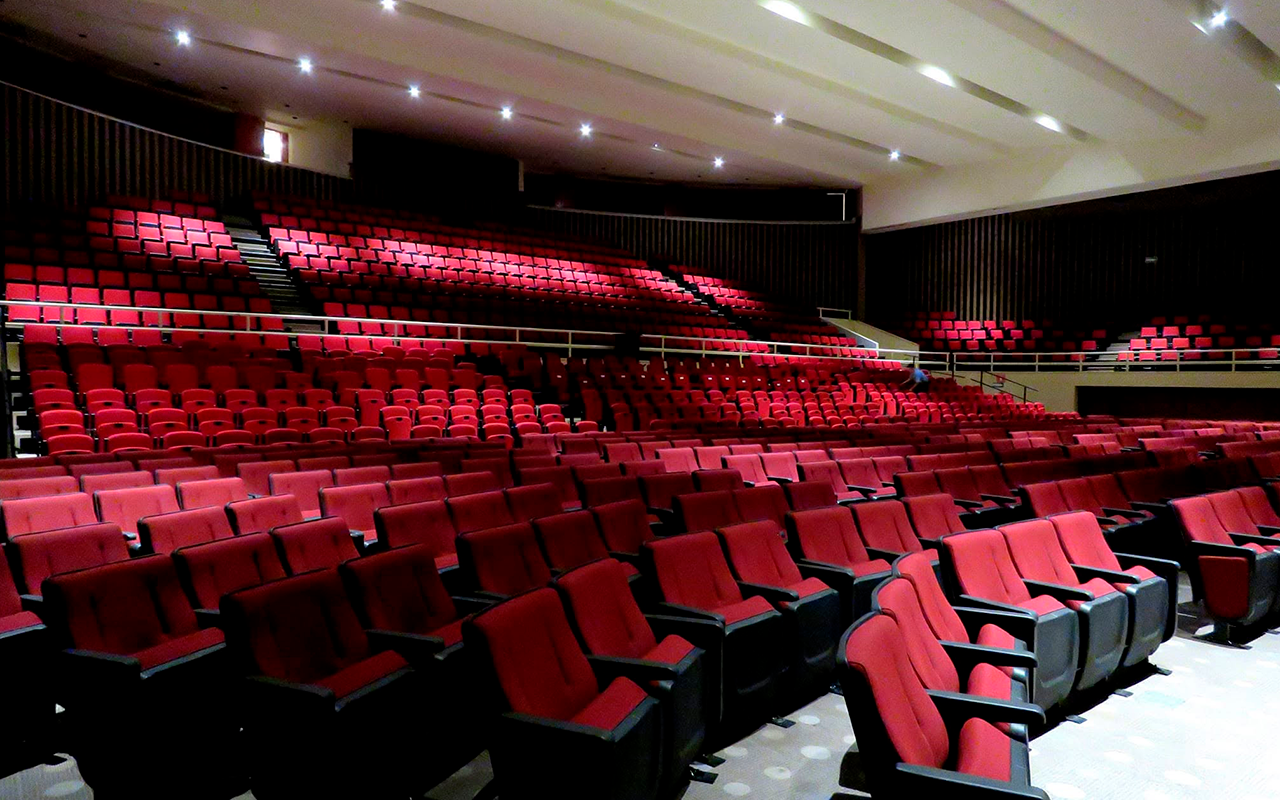
It has a capacity of 1,465 people, a stage roughly 12.50 meters long by 10 meters wide, and a height of 7 meters, reaching up to 15 meters at the stage grid.
The venue is named after Francisco Eduardo Tresguerras (1759–1833), an architect, sculptor, painter, engraver, and writer, who developed a significant part of his work in Celaya and other cities in the Bajío region. His legacy is especially associated with the Carmen Temple.
In this way, the auditorium’s name creates a symbolic link between two eras of architecture: Tresguerras’ historical legacy and the modern architecture represented by Zabludovsky.