
Puente de las Monas
Symbolic gate of access to the city.
T The Monas Bridge is a monument located on Morelos Street, where the so-called “Riyito” used to run, a small stream that crossed this area of the city, and it originally served as a passage to connect the city with the road to Querétaro.
The bridge was built in the mid-19th century, when the growth of Celaya made it necessary to facilitate crossing over the small stream. The project was promoted during the administration of Prefect Pantaleón Espinosa de los Monteros and was completed and inaugurated on September 27, 1844.
With urban growth, the riverbed disappeared and the bridge lost its original function. However, it remained as a testament to Celaya’s transformation and as one of the most recognizable elements of its architectural heritage.
The builder and credited author of the bridge was Longinos Núñez, a Celayan artist and architect, also known as a disciple of Francisco Eduardo Tresguerras.
This work features characteristics of 19th-century neoclassicism, with a sober and monumental composition. Its architectural language is connected to the tradition of Francisco Eduardo Tresguerras.
The structure was mainly built from quarry stone, using traditional masonry and stonework techniques typical of the time. Sculptural elements and reliefs were incorporated into its parapets.
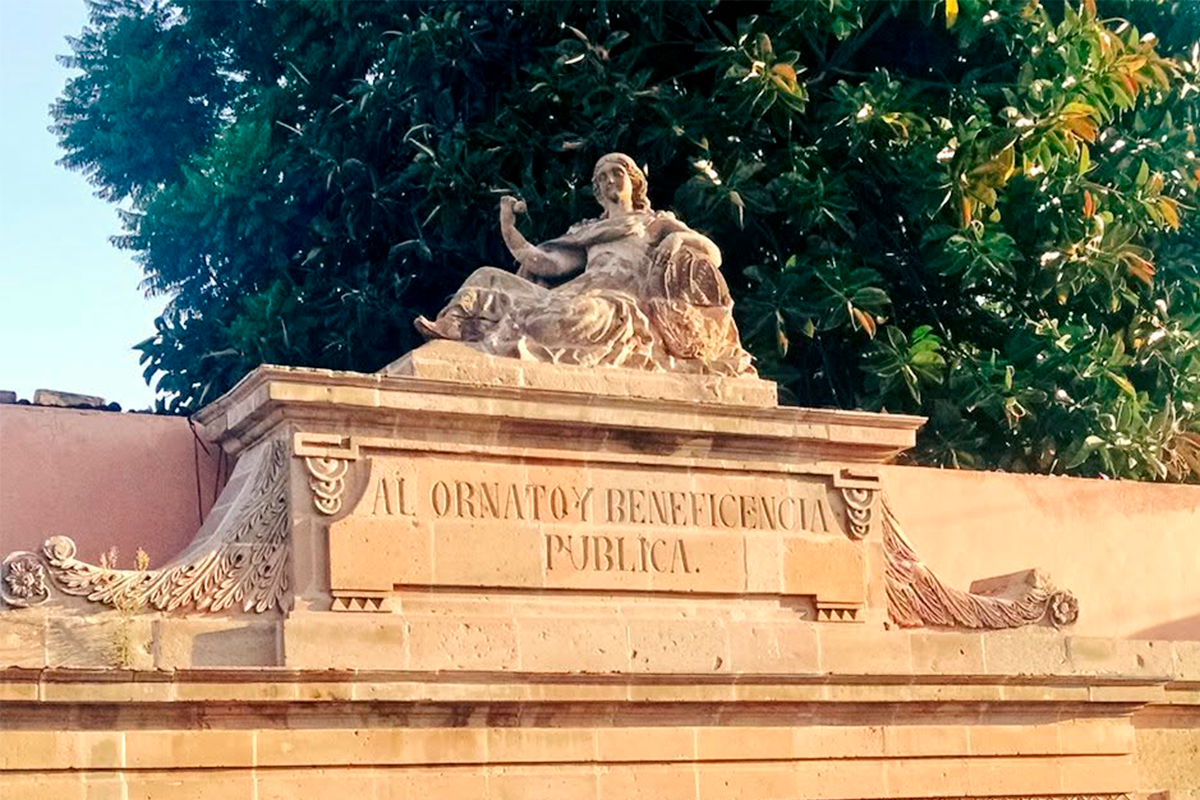
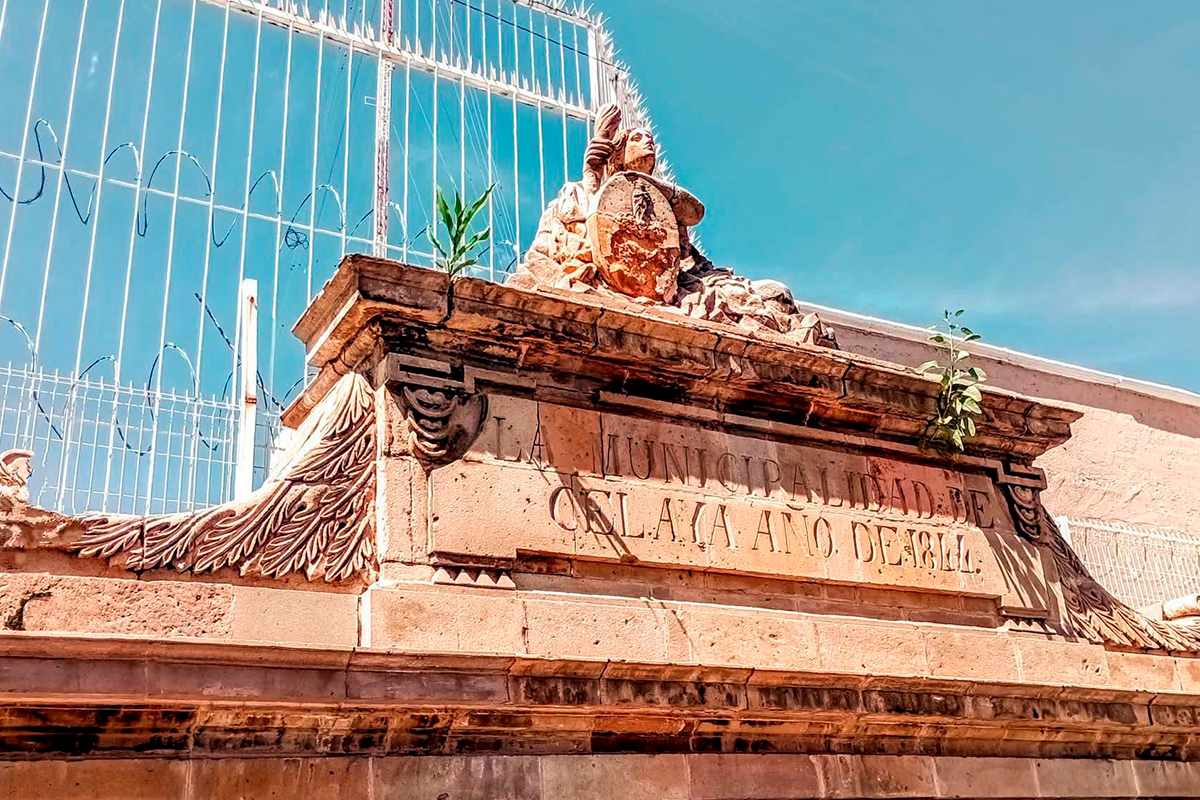
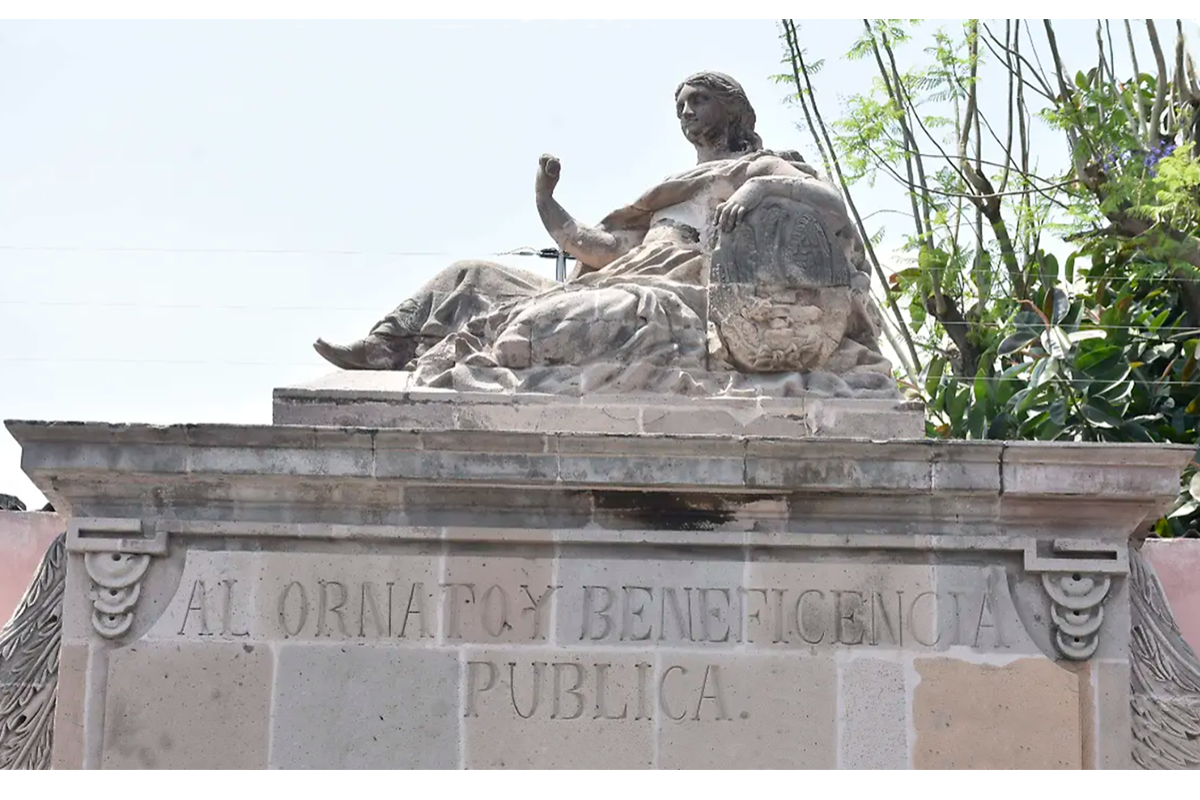
Its popular name comes from the two female sculptures that crown its parapets. These figures are allegorical in nature and have traditionally been associated with representations of Celaya and the Mexican Republic.
Over time, locals started referring to them colloquially as “the monas,” giving rise to the name by which the monument is currently known.
Its presence also took on a symbolic meaning, as it was one of the entry points to Celaya and was the site where important figures passed through and were received during the 19th century, such as Mexico’s second emperor, Maximilian of Habsburg, and President Porfirio Díaz, among others.